Tao Joins the National Care Association

Tao Joins the National Care Association

Tao

At Tao, we believe care should do more than meet needs. It should create opportunities, build confidence, and help people live a life without limits.

That’s why we’re proud to announce that we are now an official member of the National Care Association (NCA).

For us, this is more than a membership. It’s a commitment to raising standards, staying informed, and continuing to challenge what great care can look like across both complex care and supported living services.

What does this mean?

Being part of the National Care Association connects us with a wide network of care professionals and organisations who are working together to shape the future of social care for the better.

It means we have access to the latest guidance, industry developments, and best practices across the sector; in turn helping us stay ahead of changes and continue delivering the highest standard of support to the people we care for.

As a provider of specialist complex care and supported living services, staying informed is essential. Every individual we support has unique needs, goals, and aspirations, and being part of the NCA helps us continue delivering care that is person-led, progressive, and tailored around each individual.

But most importantly, it aligns with the way we already believe care should be delivered: empowering, compassionate, and built around possibility.
Raising standards in complex care and supported living

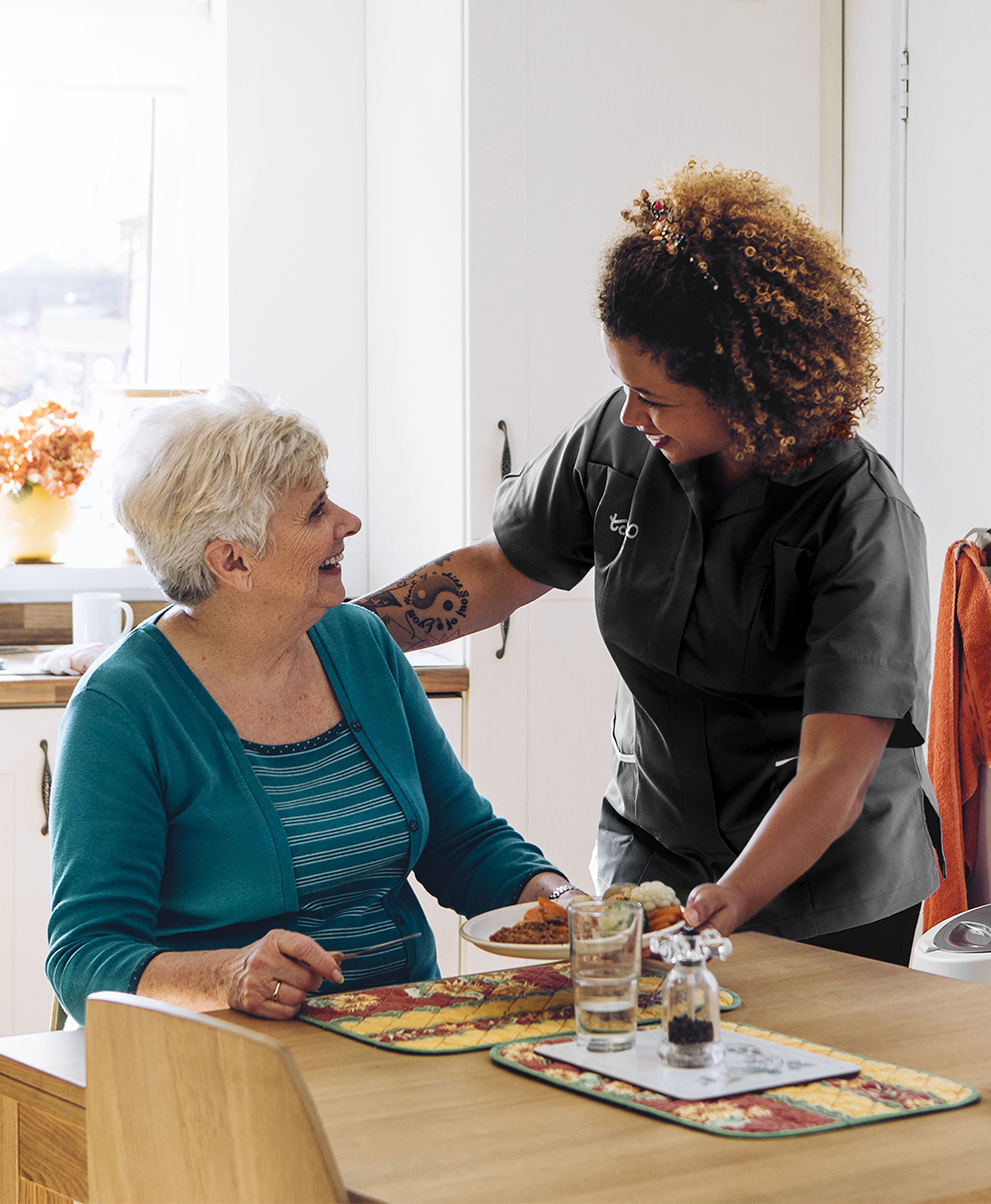
At Tao, we know that care is not one-size-fits-all. Whether someone requires long-term complex care support, assistance with daily living, or supported living services that promote greater independence, every person deserves care that adapts to them.

Too often, care can focus only on limitations. We choose to focus on potential.

Our approach to complex care is centred around helping people live safely while still experiencing independence, choice, dignity, and fulfilment. Through our supported living services, we also help individuals build confidence, develop life skills, and feel more connected to their communities.

Whether that means supporting someone to access education, build confidence in the community, reconnect with hobbies, or simply have more choice and control in everyday life, we believe meaningful care should help people live fully, not just safely.

Joining the National Care Association strengthens our ability to keep pushing those conversations forward and advocate for positive change across the care industry.

Continuing to learn, improve, and lead

The care sector is constantly evolving and staying informed matters.

As members of the NCA, we’ll continue learning from sector leaders, sharing knowledge, and contributing to conversations that help improve standards across complex care, supported living, and social care services nationally.

For our care receivers, families, and partners, this means confidence that Tao is committed to continuous improvement and delivering care that is not only safe and professional, but compassionate, progressive, and future-focused too.

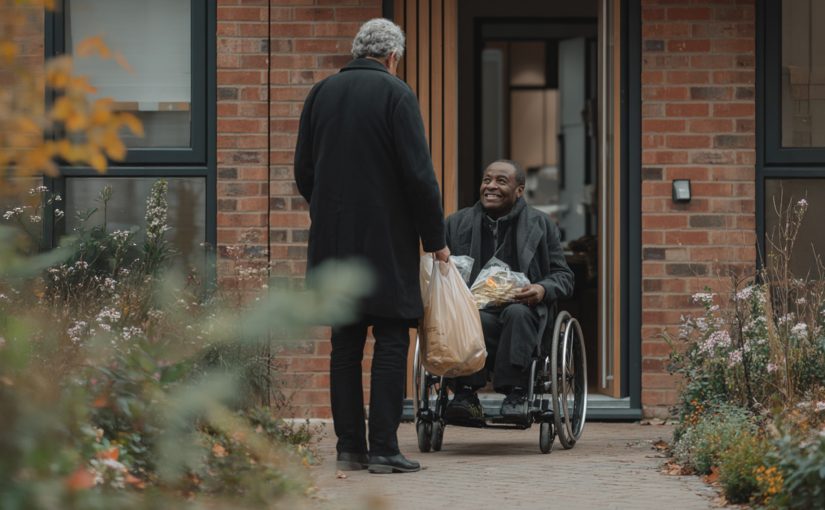
From Living at Home to Living Independently: Getting the Transition Right

From Living at Home to Living Independently: Getting the Transition Right

Tao

Independence isn’t a moment, it’s a process

For many people, the move from living at home to living independently is seen as a milestone. A clear step forward. A moment of progress.


But in reality, it’s not a single event. It’s a process, often complex, sometimes uncertain and always deeply personal.


For individuals with additional needs, that transition carries even more weight. It’s not just about moving into a new environment. It’s about building confidence, developing life skills and reshaping what day-to-day life looks like.


Getting that transition right matters. Because when it’s done well, it opens up new levels of independence, control and opportunity. When it’s not, it can create anxiety, instability and setbacks.


The difference lies in how it’s approached.


Moving beyond “readiness”

Too often, transitions are framed around a simple question: Is this person ready? But readiness isn’t fixed. It’s built.

Waiting for someone to be “fully ready” can delay progress unnecessarily. At the same time, pushing too quickly without the right support can create avoidable challenges. The better approach is to focus on building readiness over time. That means:

  • Gradually developing practical life skills
  • Introducing new levels of independence in manageable steps
  • Creating opportunities for decision-making and control

It’s about supporting people to grow into independence, not expecting them to arrive there fully formed.


The importance of a gradual transition

The most successful transitions don’t happen overnight. They are planned, phased and supported, allowing individuals to adapt at their own pace.

This might involve:

  • Spending time in a new environment before moving permanently
  • Increasing independence within the family home first
  • Introducing support in the community before transitioning to independent living

These steps build familiarity and confidence, reducing the sense of disruption. Because independence isn’t just about capability. It’s about feeling safe, comfortable and in control.


Life skills: the foundation of independence

True independence isn’t defined by where someone lives. It’s defined by what they can do. Everyday skills, often taken for granted, are critical to making independent living sustainable.


This includes:

  • Managing money and budgeting
  • Shopping and preparing meals
  • Maintaining a home environment
  • Navigating the community

These aren’t just tasks. They’re building blocks.

When individuals are supported to develop these skills in a practical, real-world way, independence becomes more than an idea, it becomes achievable. And importantly, these skills should be developed before, during and after the transition, not treated as a one-off milestone.


Support that adapts, not restricts

One of the biggest challenges in transitions is getting the balance right between support and independence.

Too much support can create dependence. Too little can lead to risk and instability.
The right approach is flexible. Support should adapt as the individual grows, scaling up when needed and stepping back when appropriate. It should enable progress, not limit it.

This means:

  • Regularly reviewing support plans
  • Responding to changes in confidence and ability
  • Encouraging independence while maintaining safety

Crucially, support should be led by the individual. Not imposed on them.


The emotional side of transition

While much of the focus is placed on practical preparation, the emotional impact of transition is just as important. Leaving a familiar environment, particularly a family home, can be a significant adjustment.

For individuals, this may involve:

  • Anxiety around change
  • Concerns about managing new responsibilities
  • Uncertainty about the future

For families, it can be equally challenging:

  • Letting go of day-to-day involvement
  • Trusting new support systems
  • Adjusting to a new dynamic

Acknowledging this is essential.

Transitions work best when they are supported not just practically, but emotionally, through clear communication, reassurance and ongoing involvement. Because independence doesn’t mean disconnection.


Working together: a joined-up approach

Successful transitions rarely happen in isolation.
They require collaboration between:

  • Families
  • Care providers
  • Housing providers
  • Health and social care professionals

Each plays a role in ensuring the transition is safe, sustainable and centred around the individual.

This joined-up approach allows for:

  • Consistent communication
  • Clear planning and expectations
  • Shared responsibility for outcomes

It also ensures that the individual isn’t navigating the transition alone. Instead, they are supported by a network that understands their needs and is aligned around their goals.


Redefining what success looks like

In many cases, success is measured too narrowly. It’s seen as the point at which someone moves into their own home. But that’s only the beginning.

Real success is:

  • Confidence in daily life
  • The ability to make choices and act on them
  • A sense of belonging in the community
  • Progress over time, not perfection from day one

It’s about creating a life, not just a living arrangement. And that takes time, patience and the right support.


The Tao perspective

At Tao, we see transition not as a handover, but as a journey.


We work with individuals to build independence step by step, supporting the development of life skills, confidence and control in a way that feels realistic and sustainable.


Our approach goes beyond traditional domiciliary care. It’s practical, flexible and led by the individual. Whether someone is taking their first steps towards independence or building on existing skills, we focus on making progress real.

Because independence isn’t something you give. bIt’s something you build. And when it’s done right, it doesn’t just change where someone lives. It changes what’s possible.


Why staffing partnerships matter more than ever in care

Why staffing partnerships matter more than ever in care

Tao

Staffing challenges are a constant in the care sector. Whether it’s sickness, annual leave, vacancies or unexpected increases in demand, disruption is part of day-to-day operations.


The difference lies in how services respond and increasingly, that response depends on the strength of their staffing partnerships.


A well-matched staffing agency doesn’t just provide cover. It becomes an extension of your team.


When an agency understands how your service operates, the needs of your residents and the standards you expect, temporary staff can integrate quickly and effectively. They arrive with context, not just availability. That means less time briefing, fewer risks and greater continuity of care.


In practice, this reduces pressure across the organisation. Managers spend less time firefighting. Permanent teams feel supported rather than stretched. And most importantly, residents experience consistent, reliable care, even during periods of disruption.


The Difference Between Availability and Suitability

One of the most common challenges with agency staffing is inconsistency


Too often, services receive staff who are unfamiliar with the environment, unclear on expectations or lacking the specific experience required. This creates additional work for teams and can impact the quality of care being delivered.


That’s why suitability matters as much as speed.


Effective staffing partnerships are built on understanding – of the service, the complexity of care, and the people being supported. This allows agencies to match individuals based not just on qualifications, but on experience, behaviours and fit.


When this is done well, agency staff don’t feel like external support. They feel like part of the team, contributing positively from the moment they arrive.


Training that goes beyond compliance

Training plays a critical role in bridging the gap between staffing and care quality.


In a highly regulated sector, meeting compliance standards is essential. But compliance alone doesn’t guarantee confidence or capability in real-world situations.


A more effective approach combines different types of learning.


Blended training models, using both face-to-face and digital delivery, allow for stronger understanding and better outcomes. Online training ensures knowledge remains up to date and accessible, while in-person sessions provide the opportunity to assess competence, explore scenarios and ensure practical readiness.


For specialist environments, this becomes even more important.


Clinical competencies such as PEG feeding, catheter care, syringe drivers or phlebotomy require more than theoretical understanding. They demand observation, supervision and sign-off in practice. Having clinical leadership in place to oversee this process ensures that staff are not only trained, but safe and confident in delivery.


This level of preparation has a direct impact on the quality of care provided.


Supporting teams, not just filling gaps

One of the biggest benefits of a strong staffing partnership is the reduction in operational pressure.


When services can rely on consistent, capable agency support, it allows internal teams to focus on what matters – care delivery, development and continuous improvement.


It also strengthens business continuity planning.


Having access to staff who are already familiar with your service, your residents and your processes means that even last-minute gaps can be filled with minimal disruption. This is particularly important in complex care environments, where consistency and familiarity play a critical role in outcomes.


Ultimately, good staffing doesn’t just solve immediate problems, it builds resilience across the service


The role of regulation in shaping care delivery

The care sector continues to evolve, with regulation playing a key role in shaping how services are delivered. One example is the Supported Housing (Regulatory Oversight) Act 2023, which reinforces the importance of separating housing provision from care provision. This distinction creates clearer accountability and gives individuals greater confidence and control over their living and care arrangements.


For providers, this means working more collaboratively, alongside housing partners, clinical teams and other professionals, to deliver joined-up support.


For individuals, it creates a more transparent and empowering system, where concerns can be raised more freely and choices are clearer.


Staffing models must adapt to reflect this shift.


That means not only understanding the regulatory landscape, but ensuring staff are prepared to work effectively within it, communicating clearly, respecting boundaries and supporting individuals in a more person-led way.


Raising the standard of agency support

As demand across the care sector continues to grow, the role of staffing agencies is becoming increasingly important.


But with that comes responsibility.


Services need more than availability. They need consistency, competence and people they can trust to deliver care to the same standard as their permanent teams.


That requires a different mindset, one focused on long-term partnership rather than short-term supply.


When staffing is approached in this way, the impact is significant. Teams feel supported. Standards are maintained. And individuals receiving care experience the continuity and quality they deserve.


In a sector where every detail matters, that difference is critical.


What the Supported Housing Act 2023 Means for Care Providers

What the Supported Housing Act 2023 Means for Care Providers

Tao

A shift towards clarity, accountability and control

The Supported Housing (Regulatory Oversight) Act 2023 marks an important step forward in how supported living and care services are structured, delivered and regulated.


At its core, the Act is about clarity. Clarity for providers, for housing partners and most importantly, for the people receiving care.


For too long, the lines between housing and care have been blurred. In some cases, this has created confusion, limited choice and reduced transparency for individuals relying on these services. The Act introduces a clearer separation between accommodation and care provision, reinforcing accountability and strengthening the rights of those being supported.


For care providers, this isn’t just a regulatory change. It’s a shift in mindset.


Separating housing from care: why it matters

One of the key principles of the Act is the clear distinction between landlords and care providers. On the surface, this may appear operational. In reality, it’s deeply personal.


When housing and care are delivered by the same organisation, it can create an imbalance of power. Individuals may feel less able to raise concerns, make changes or challenge decisions, particularly if those decisions impact both where they live and how they are supported. By separating these responsibilities, the Act creates a more transparent and empowering system.


Individuals now have a clearer pathway:

  • Housing concerns are directed to landlords
  • Care concerns are directed to providers

This distinction matters. It gives people more confidence to speak up. It creates accountability on both sides. And it ensures that care decisions are made in the best interests of the individual, not influenced by housing considerations.


For providers, it reinforces a simple but powerful principle: care should always be person-led.


Moving away from “one system fits all”

The Act also highlights a broader issue within the sector, the tendency to standardise care models in ways that don’t always reflect individual needs.


Supported living is, by definition, about independence. But independence isn’t achieved through rigid structures or fixed approaches. It’s built through flexibility, understanding and the ability to adapt.


By separating housing from care, providers are encouraged to focus more clearly on what they do best, delivering tailored support that evolves with the individual.


This means:

  • Care plans that reflect real lives, not generic frameworks
  • Support that adapts as needs change
  • Greater collaboration with housing providers, families and professionals

In practice, this leads to better outcomes.


Because when care is designed around the person, not the system, progress becomes possible.


What this means for day-to-day delivery

For many providers, the impact of the Act will be felt in the detail of how services are delivered.


It requires:

  • Clear contractual arrangements between housing providers and care providers
  • Defined roles and responsibilities across all stakeholders
  • Stronger communication between organisations involved in delivering support

But beyond structure, it also demands a more joined-up way of working.


Care providers will need to collaborate more closely with housing partners, ensuring that individuals receive consistent, coordinated support across both areas of their lives.


This includes:

  • Working together to resolve issues quickly and effectively
  • Maintaining clear communication channels with residents
  • Supporting individuals to understand their rights and choices

It’s a more transparent model but also a more accountable one.


Raising expectations across the sector

The introduction of the Act also raises the bar for what “good” looks like in supported living.


Compliance is, of course, essential. But regulation alone doesn’t define quality. The real opportunity lies in how providers respond.


This is a moment to move beyond minimum standards and rethink how care is delivered:

  • Are individuals truly in control of their support?
  • Are services enabling independence, or simply maintaining stability?
  • Are care plans evolving as people grow, or staying static over time?

The Act creates the conditions for improvement, but it’s up to providers to act on it.


Those who embrace this shift will not only meet regulatory expectations, but they’ll also exceed them.


Empowering the people who matter most

At its heart, the Supported Housing Act 2023 is about people.


It’s about ensuring that individuals living in supported housing:

  • Understand their rights
  • Have control over their care and living arrangements
  • Feel confident raising concerns or making changes

This aligns with a broader movement across the sector, one that places dignity, choice and independence at the centre of care.


For providers, this means listening more, adapting faster and being willing to challenge outdated approaches.


Because empowering individuals isn’t just about giving options. It’s about making those options real.


A more transparent, more accountable future

The care sector is evolving and regulation is playing a key role in shaping that evolution.


The Supported Housing Act 2023 is not about adding complexity. It’s about removing ambiguity.


By clearly defining the roles of housing providers and care providers, it creates a system that is:

  • More transparent
  • More accountable
  • More focused on the individual

For care providers, the challenge is clear.


It’s not enough to adapt processes. The real opportunity is to rethink how care is delivered, ensuring that every decision, every interaction and every support plan is built around the person, not the system.


The Tao perspective

At Tao, this approach isn’t new, it’s how we believe care should work.


We support a model where housing and care are deliberately separate, giving individuals greater clarity, control and confidence. We work in partnership with housing providers, while focusing entirely on what we do best: delivering specialist, person-led support.


Because care should never limit people.


It should move them forward.


And the systems around it should do the same.


Building Skills. Creating Life Without Limits

Building Skills. Creating Life Without Limits

Tao

We’re proud to share that Support Worker Scott Bolton has completed his Care Certificate, covering all 16 modules.


New to care when he joined Tao, Scott has shown real commitment, curiosity, and compassion from day one. He’s already supporting individuals with some of the most complex needs – and doing so with confidence and care.


With ambitions to continue developing his skills and progress into a Team Leader role, Scott’s journey is a great example of what’s possible when people are supported to grow.


Well done, Scott – a brilliant achievement and a great step forward.

Workforce Shortages in Complex Care

Workforce Shortages in Complex Care: How Specialist Care Providers Can Close the Skills Gap

Complex Care

Across the UK, complex care providers are experiencing growing workforce shortages, particularly within the specialist care workforce needed to support people with long-term, complex needs.

As demand increases for highly personalised, long-term support, the availability of skilled and stable care teams has become one of the biggest challenges facing specialist care providers today.

  • What are workforce shortages?
  • Why is the specialist care workforce under pressure?
  • Why training is essential for complex care providers?
  • How Tao is supporting the workforce
  • How workforce stability improves outcomes in complex care
  • The future of complex care

What are workforce shortages in complex care?

Workforce shortages in complex care refer to the lack of trained and experienced professionals able to deliver long-term, specialist support to individuals with complex physical, neurological or developmental needs.

These shortages affect:

  • Continuity of care
  • Quality and safety of support
  • Emotional wellbeing and independence of individuals
  • Sustainability of specialist care providers

For people receiving complex care, staffing gaps can disrupt trusted relationships and slow progress.

Why is the specialist care workforce under pressure in the UK?

The specialist care workforce is under increasing pressure due to a combination of rising demand and limited supply of trained professionals.
Key contributing factors include:

  • Growing numbers of people living with long-term and multiple conditions
  • Limited access to specialist training pathways
  • High turnover across social and health care roles
  • Increased complexity of care delivered in community settings

For complex care providers, this means recruiting alone is not enough – retention and development are equally critical.

Why training is essential for complex care providers

For complex care providers, training is the most effective way to strengthen the specialist care workforce and reduce reliance on external recruitment.
Specialist training ensures care teams:

  • Understand specific conditions and risks
  • Can adapt care as needs change
  • Deliver consistent, person-centred support
  • Work confidently and safely in complex environments

At Tao, training is ongoing, structured and recorded – ensuring every member of the specialist care workforce is equipped to deliver high-quality, long-term care.

How Tao supports and strengthens the specialist care workforce

Tao addresses workforce shortages by investing in people, not quick fixes. Our approach includes:

  • Condition-specific training tailored to individual care packages
  • Regular refresher training to maintain competence and confidence
  • Clear, up-to-date training records for governance and transparency

Continuous development aligned to evolving care needs
This ensures Tao’s teams remain skilled, confident and consistent, even as care requirements change over time.

How workforce stability improves outcomes in complex care

A stable specialist care workforce is essential to positive outcomes in complex care. Workforce stability allows:

  • Strong, trusting relationships to form
  • Reduced anxiety for individuals receiving care
  • Better communication and understanding
  • Care that supports independence and long-term progress

For specialist care providers, stability is not just operational it is fundamental to quality of life.

What the future of complex care providers in the UK depends on

The future of complex care providers in the UK depends on how effectively the sector addresses workforce shortages through training, development and retention.

  • By prioritising a skilled specialist care workforce, providers can:
  • Reduce service disruption
  • Improve safety and outcomes
  • Deliver truly personalised, long-term care
  • Support people to live lives without limits

At Tao, we believe workforce investment is not optional – it is the foundation of specialist care that truly works.

For more information on how we can support you call us on
0330 174 2697

Why Personalised Care Plans Are the Foundation of Exceptional Complex Care

Why Personalised Care Plans Are the Foundation of Exceptional Complex Care

Complex Care

In complex care, the difference between simply receiving care and truly living well often comes down to one thing: how personal the care really is.

For individuals with long-term, specialist needs, a personalised care plan is not just a document or a requirement – it is the framework that shapes everyday life. It influences confidence, independence, relationships, progress and possibility.

At Tao, we believe that care should never feel limiting or routine. As a specialist complex care provider, our role is to go beyond meeting needs  to exceed expectations and support people to live lives without limits.

  • What is a personalised care plan in complex care?
  • Why personalised care matters in complex care
  • Person-centred care in the UK
  • Bespoke complex care plans
  • How Tao creates personalised care plans

What is a personalised care plan in complex care?

A personalised care plan is a bespoke, evolving plan of support designed around the unique needs, goals and potential of each individual receiving care.

In complex care, this plan goes far beyond medical requirements. A truly effective complex care plan considers:

  • Physical and clinical needs
  • Communication styles and preferences
  • Emotional wellbeing and mental health
  • Daily routines, interests and aspirations
  • Social connection, independence and community involvement

Rather than asking, “What care is required?”, a personalised approach asks, “Who is this person and what do they want their life to look like?”

Why personalised care matters in complex care

People receiving complex care often live with neurological conditions, learning disabilities, autism, acquired brain injuries or complex physical health needs. These needs can be lifelong, evolving and deeply interconnected. Generic or standardised care plans cannot respond effectively to this level of complexity.

Without a personalised care plan, individuals may experience:

  • Rigid routines that limit independence
  • Care that focuses on tasks instead of outcomes
  • Increased anxiety due to lack of consistency
  • Reduced confidence and opportunity for growth

In contrast, personalised care allows individuals to feel understood, supported and empowered – not managed.

Person-centred care in the UK: moving beyond compliance

Across person-centred care in the UK, there is growing recognition that true quality lies in how well care reflects the individual, not how neatly it fits a template.

Yet in practice, care planning can sometimes become overly focused on compliance, risk management and system efficiency, rather than the person.

At Tao, we believe person-centred care means:

  • Seeing potential, not just support needs
  • Listening before planning
  • Designing care that adapts as people grow and change
  • Supporting choice, dignity and autonomy

This approach ensures care plans remain living documents, not static paperwork.

How a bespoke complex care plan improves outcomes

A well-designed complex care plan supports better outcomes because it is grounded in real life, not assumptions.

Bespoke care planning helps to:

  • Build emotional security through familiar routines and trusted relationships
  • Encourage independence by supporting skill development at the individual’s pace
  • Reduce distress by respecting communication preferences and sensory needs
  • Promote physical and mental wellbeing through meaningful activity

For families, it brings reassurance that care is not only safe, but deeply thoughtful and responsive.

How Tao creates personalised care plans that go above and beyond

At Tao, care planning begins with understanding. As a dedicated complex care provider, we take time to build relationships, listen carefully and collaborate closely with individuals, families and professionals.


Our personalised care plans are:

  • Built around the individual, not a diagnosis
  • Developed collaboratively with families and multidisciplinary teams
  • Flexible enough to adapt as needs, goals and confidence change
  • Focused on outcomes that enhance everyday life


This ensures care feels supportive and ambitious, not restrictive and limiting.

From restrictive care to life without limits

Too often, care plans are written to prevent risk rather than support living. While safety is essential, care should never be shaped by fear. At Tao, we believe a personalised care plan can balance safety with ambition.

Our approach supports people to:

  • Engage with their communities
  • Explore interests and hobbies
  • Build independence over time
  • Develop confidence in everyday life

Life without limits does not mean care without structure. It means care that enables choice, growth and possibility.

The role of consistency and continuity in personalised care

A personalised care plan is only effective when it is delivered consistently. That’s why Tao places strong emphasis on:

  • Matching individuals with the right support teams
  • Maintaining continuity wherever possible
  • Ensuring care teams understand not just what to do, but why it matters

This consistency builds trust which is a critical foundation for progress in complex care.

Why personalised care planning is the future of complex care in the UK

As demand for complex care grows, expectations are changing. Individuals and families are seeking care that feels human, flexible and deeply personal.

For every complex care provider, the future lies in:

  • Moving away from one-size-fits-all models
  • Embracing personalised, outcome-focused care planning
  • Supporting individuals to live full, meaningful lives

Personalised care plans are not about doing more, they are about doing what matters most.

Exceeding expectations, one life at a time

At Tao, we believe care should never define what someone cannot do. By creating personalised care plans that adapt, evolve and grow alongside the individual, we support people to live lives shaped by confidence, dignity and opportunity.
Because when care is truly bespoke, life doesn’t feel restricted.
It feels open.
It feels possible.
It feels like Life Without Limits.

For more information on how we can support you call us on
0330 174 2697