





Person-Centred Support

Communication That Works

Positive Behaviour Support

Structured & Predictable Care
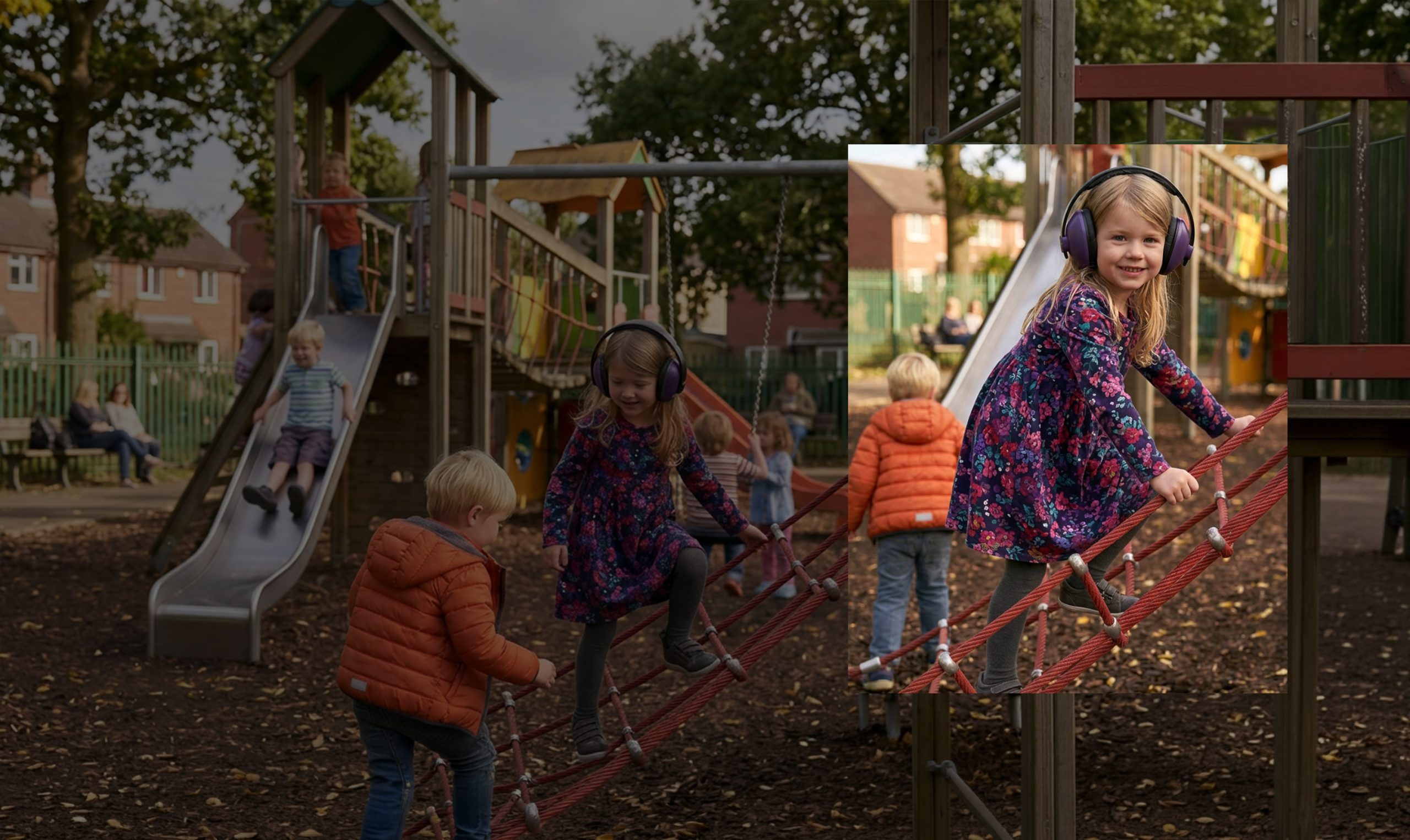
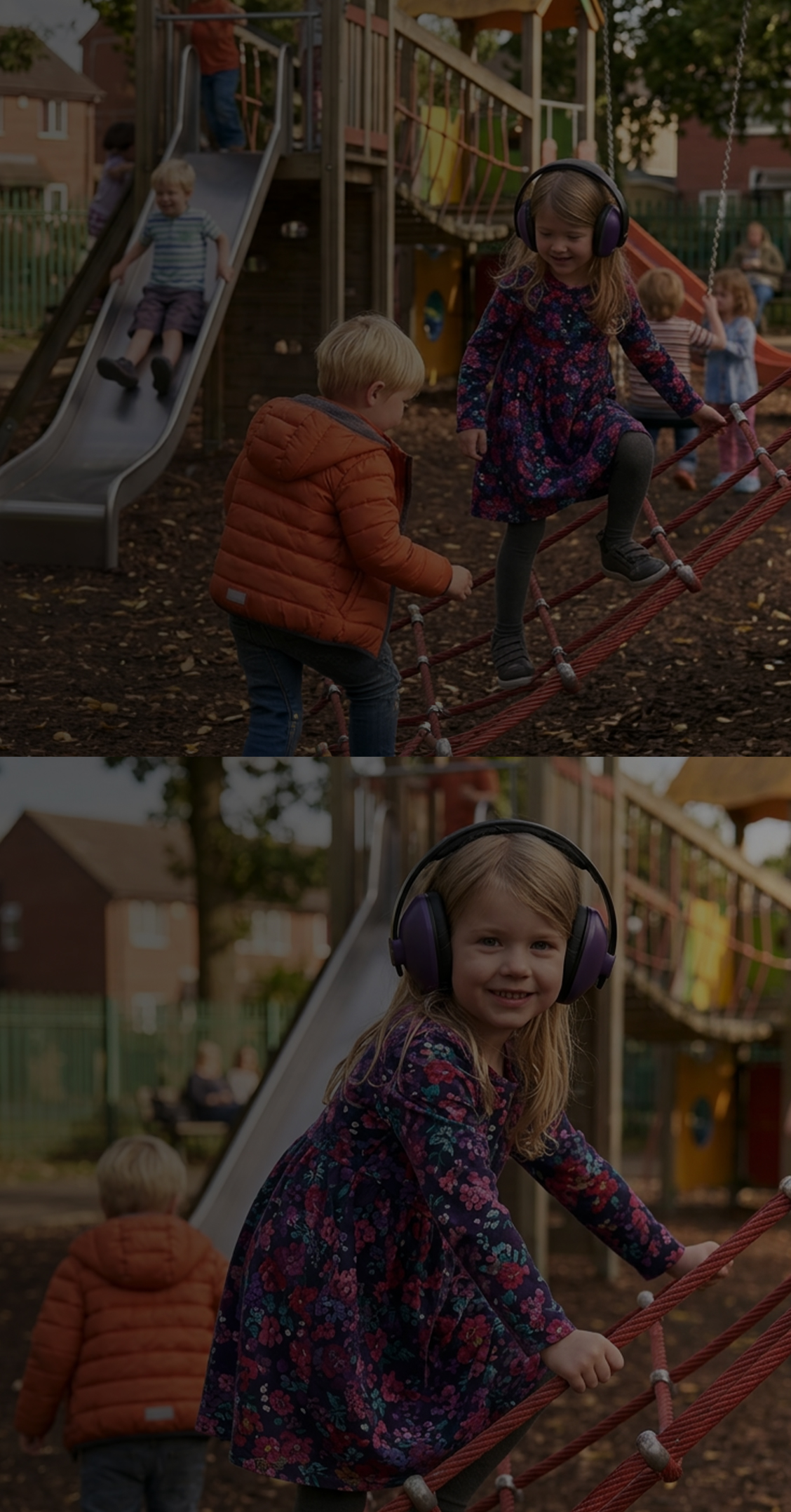
Every person experiences the world differently. That’s why support should never follow a one-size-fits-all approach.
At Tao Complex Care, we provide specialist learning disabilities and autism support that is built around the individual. As part of our wider complex care services, we focus on helping people develop independence, build confidence, and achieve meaningful outcomes that matter to them. Whether an individual requires support with communication, daily living, social interaction, emotional wellbeing, education, or accessing their community, our approach is centred on understanding what is important to them, and how they want to live their life.
We provide personalised support for children, young people, and adults with learning disabilities, autism, or a combination of both. Our support is designed to help individuals develop life skills, maintain independence, and participate fully in their communities while receiving the right level of care and guidance.
Support may include:
We also recognise that some individuals may have additional physical disabilities or complex health needs. Where required, we provide integrated support that addresses both cognitive and physical needs through a coordinated and person-centred approach.
No two people are the same, and neither are their support needs. Everything we do begins with understanding the individual. We take time to learn about their strengths, preferences, goals, communication style, routines, interests, and support requirements.
Through person-centred planning, we create support that reflects the individual’s aspirations and promotes greater choice, control, and independence. Regular reviews ensure support evolves alongside changing needs and continues to deliver meaningful outcomes.
Our goal is simple: to help people live the life they choose, with the right support in place to make that possible.
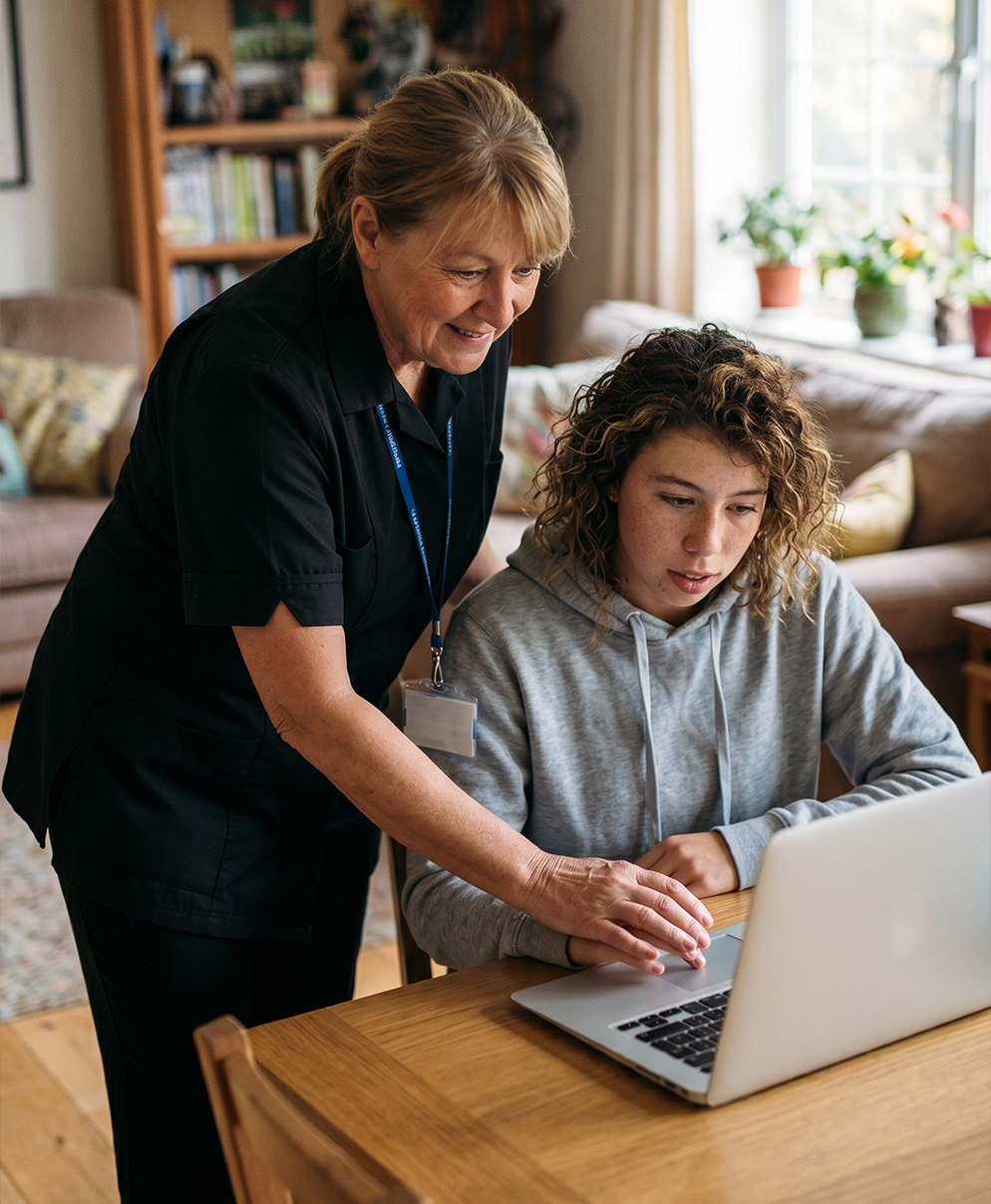
Communication is far more than spoken words. Many of the individuals we support communicate in different ways, and it is our responsibility to understand and adapt.
Our teams work with a range of communication methods, including:
By understanding how each individual communicates, we can build stronger relationships, reduce frustration, and ensure people feel heard, respected, and understood.
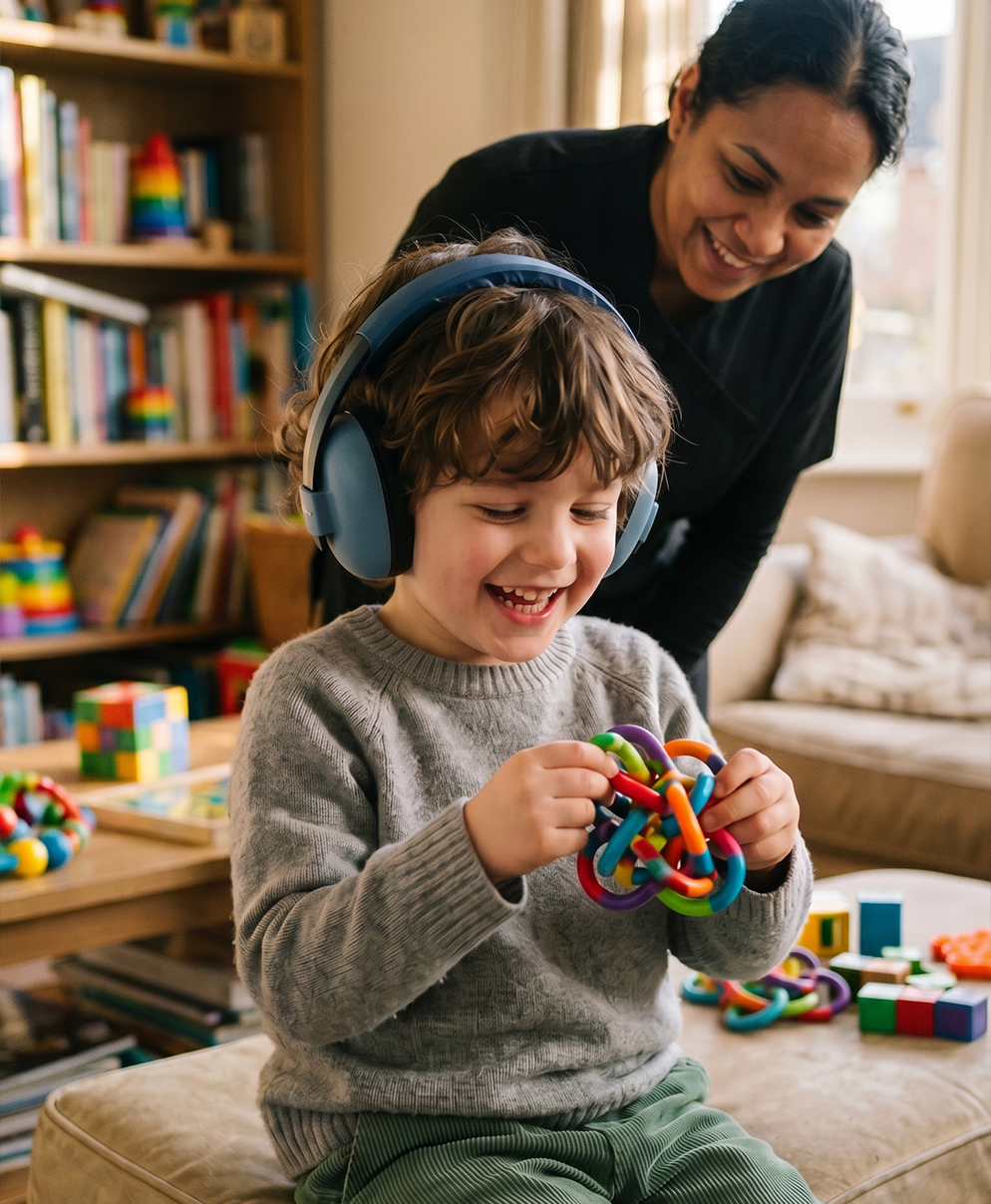

For many autistic individuals and people with learning disabilities, the environment around them can have a significant impact on wellbeing.
Sensory sensitivities relating to noise, lighting, touch, crowds, or unfamiliar environments can create distress and anxiety if not properly understood and managed.
Our support is carefully adapted to meet individual sensory needs through:
By making reasonable adjustments and creating supportive environments, we help individuals feel safe, comfortable, and able to engage more fully in daily life.
At Tao, we understand that behaviour is a form of communication. Rather than focusing on the behaviour itself, we focus on understanding what the individual may be trying to communicate and identifying the underlying need.
Our approach is guided by Positive Behaviour Support (PBS) principles, helping individuals develop skills, improve quality of life, and reduce behaviours that may be linked to unmet needs, frustration, anxiety, or communication barriers.
By working proactively and collaboratively, we can create support strategies that are effective, respectful, and centred around the individual.
Everyone deserves the opportunity to make choices about their own life. We actively support individuals to develop decision-making skills and maintain as much independence as possible, while ensuring appropriate support is available when needed.
Our practice is aligned with the principles of the Mental Capacity Act, ensuring individuals are supported to make informed decisions and exercise choice wherever possible.
This may include support with:
Because independence isn’t about doing everything alone. It’s about having the confidence, support, and opportunities to live life your way.

We believe everybody should have the opportunity to belong, contribute, and participate in their community. That’s why community inclusion sits at the heart of our approach.
We support individuals to access activities, services, education, volunteering opportunities, employment pathways, and social experiences that enrich their lives and help them build meaningful connections.
Our focus is always on improving quality of life and creating opportunities for people to thrive, not simply exist.

Everything we do is guided by dignity, respect, empowerment, and inclusion. Our learning disabilities and autism support combines:
Most importantly, we focus on strengths.
Because every individual has something valuable to contribute, and with the right support, everyone should have the opportunity to live a life without limits.


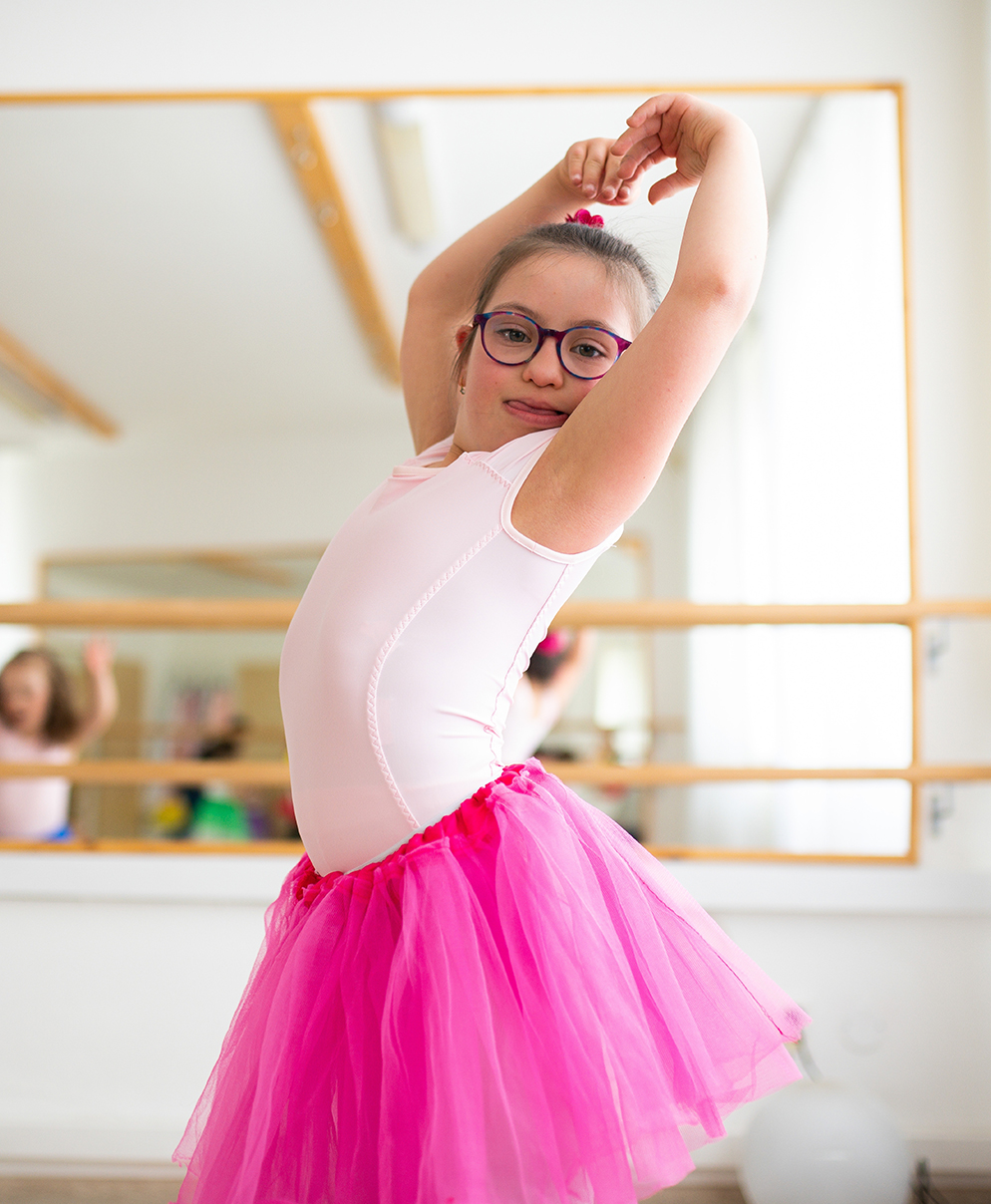
Teo and the team at Tao Complex Care find it really funny that our names are similar! But really, we think it is a sign that ‘it was meant to be’! Today, with our support, Teo is living ‘life without limits’ – something we are very passionate about at Tao!
What learning disabilities and autism support do you provide?
We provide personalised support for individuals with learning disabilities, autism, or both. Support may include daily living skills, communication support, education, community access, emotional wellbeing, Positive Behaviour Support, and promoting independence.
Do you support both children and adults?
Our services are tailored to the needs of each individual. Please contact our team to discuss specific requirements and how we can provide appropriate support.
How do you support communication needs?
We adapt our communication approach to suit the individual. This may include visual aids, Makaton, PECS, adapted language, communication books, or other personalised communication methods.
What is Positive Behaviour Support (PBS)?
Positive Behaviour Support is an evidence-based approach that focuses on understanding why behaviours occur and identifying ways to improve quality of life. It focuses on strengths, skill development, and reducing barriers rather than simply managing behaviours.
How do you support autistic individuals with sensory needs?
We consider each person’s sensory profile and implement reasonable adjustments where needed. This may include structured routines, visual timetables, low-arousal environments, environmental adaptations, and personalised sensory strategies.
Can you support people with learning disabilities who also have physical disabilities?
Yes. Many of the individuals we support have multiple needs. We provide integrated support that considers both physical and cognitive requirements to ensure care remains coordinated and person-centred.
How do you promote independence?
We support individuals to build life skills, make informed choices, access opportunities within their community, and achieve personal goals. Our aim is to empower people to have greater control over their lives while receiving the right level of support.
Do you work with families and professionals?
Absolutely. We believe the best outcomes are achieved through partnership working. We regularly collaborate with families, social workers, healthcare professionals, education providers, and other support services to ensure consistent and effective care.
Specialist care for children and young people with complex needs. Where others say no, we listen, understand and act, bringing deep expertise and compassion to every case.
Find Out More
Specialist care for people living in their own home, with tailored support that promotes independence and confidence, enabling real life skills, community connection and choice. Always putting the individual first and enabling life on their terms.
Find Out More