



For many people, the move from living at home to living independently is seen as a milestone. A clear step forward. A moment of progress.
But in reality, it’s not a single event. It’s a process, often complex, sometimes uncertain and always deeply personal.
For individuals with additional needs, that transition carries even more weight. It’s not just about moving into a new environment. It’s about building confidence, developing life skills and reshaping what day-to-day life looks like.
Getting that transition right matters. Because when it’s done well, it opens up new levels of independence, control and opportunity. When it’s not, it can create anxiety, instability and setbacks.
The difference lies in how it’s approached.
Too often, transitions are framed around a simple question: Is this person ready? But readiness isn’t fixed. It’s built.
Waiting for someone to be “fully ready” can delay progress unnecessarily. At the same time, pushing too quickly without the right support can create avoidable challenges. The better approach is to focus on building readiness over time. That means:
It’s about supporting people to grow into independence, not expecting them to arrive there fully formed.
The most successful transitions don’t happen overnight. They are planned, phased and supported, allowing individuals to adapt at their own pace.
This might involve:
These steps build familiarity and confidence, reducing the sense of disruption. Because independence isn’t just about capability. It’s about feeling safe, comfortable and in control.
True independence isn’t defined by where someone lives. It’s defined by what they can do. Everyday skills, often taken for granted, are critical to making independent living sustainable.
This includes:
These aren’t just tasks. They’re building blocks.
When individuals are supported to develop these skills in a practical, real-world way, independence becomes more than an idea, it becomes achievable. And importantly, these skills should be developed before, during and after the transition, not treated as a one-off milestone.
One of the biggest challenges in transitions is getting the balance right between support and independence.
Too much support can create dependence. Too little can lead to risk and instability.
The right approach is flexible. Support should adapt as the individual grows, scaling up when needed and stepping back when appropriate. It should enable progress, not limit it.
This means:
Crucially, support should be led by the individual. Not imposed on them.
While much of the focus is placed on practical preparation, the emotional impact of transition is just as important. Leaving a familiar environment, particularly a family home, can be a significant adjustment.
For individuals, this may involve:
For families, it can be equally challenging:
Acknowledging this is essential.
Transitions work best when they are supported not just practically, but emotionally, through clear communication, reassurance and ongoing involvement. Because independence doesn’t mean disconnection.
Successful transitions rarely happen in isolation.
They require collaboration between:
Each plays a role in ensuring the transition is safe, sustainable and centred around the individual.
This joined-up approach allows for:
It also ensures that the individual isn’t navigating the transition alone. Instead, they are supported by a network that understands their needs and is aligned around their goals.
In many cases, success is measured too narrowly. It’s seen as the point at which someone moves into their own home. But that’s only the beginning.
Real success is:
It’s about creating a life, not just a living arrangement. And that takes time, patience and the right support.
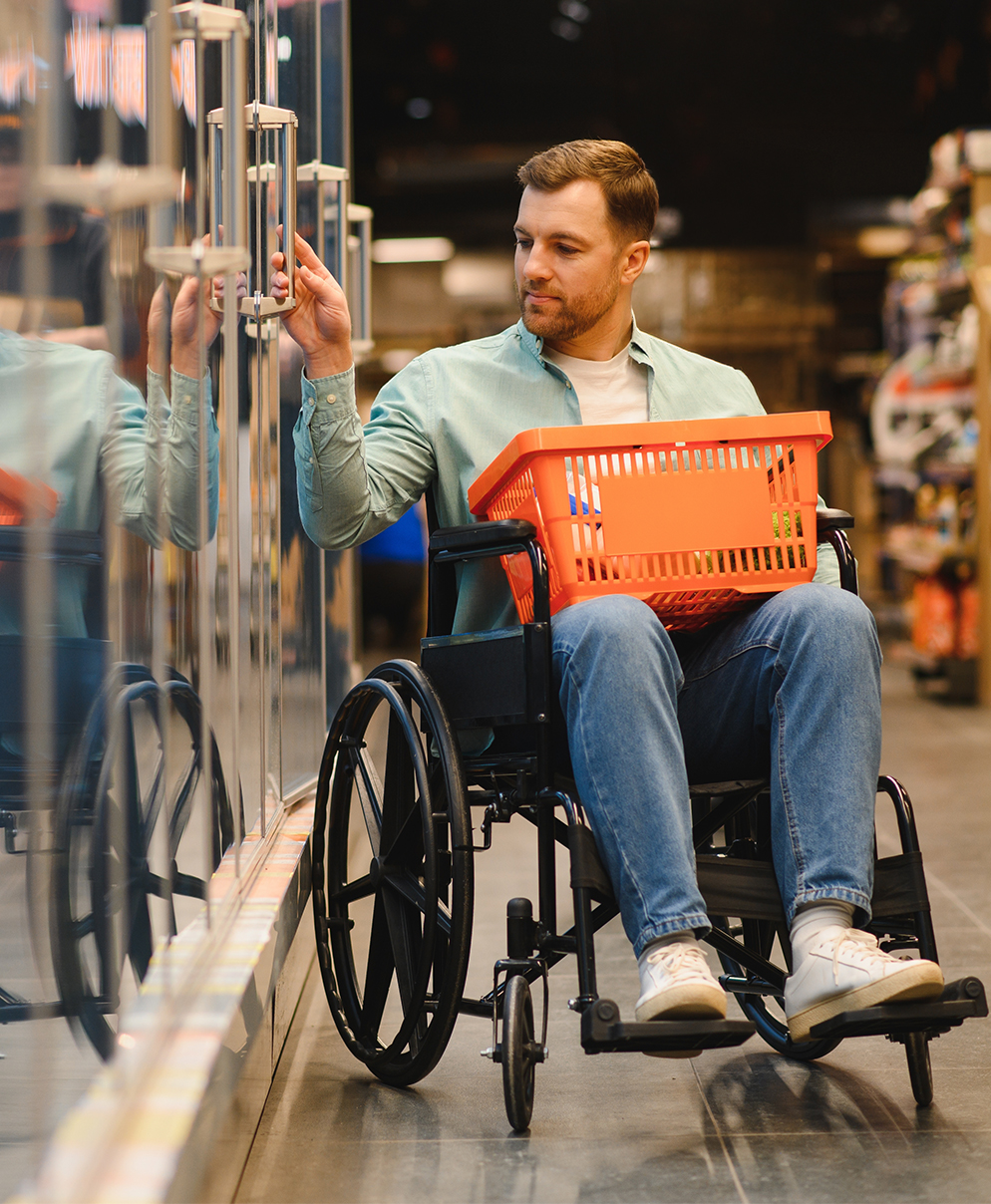
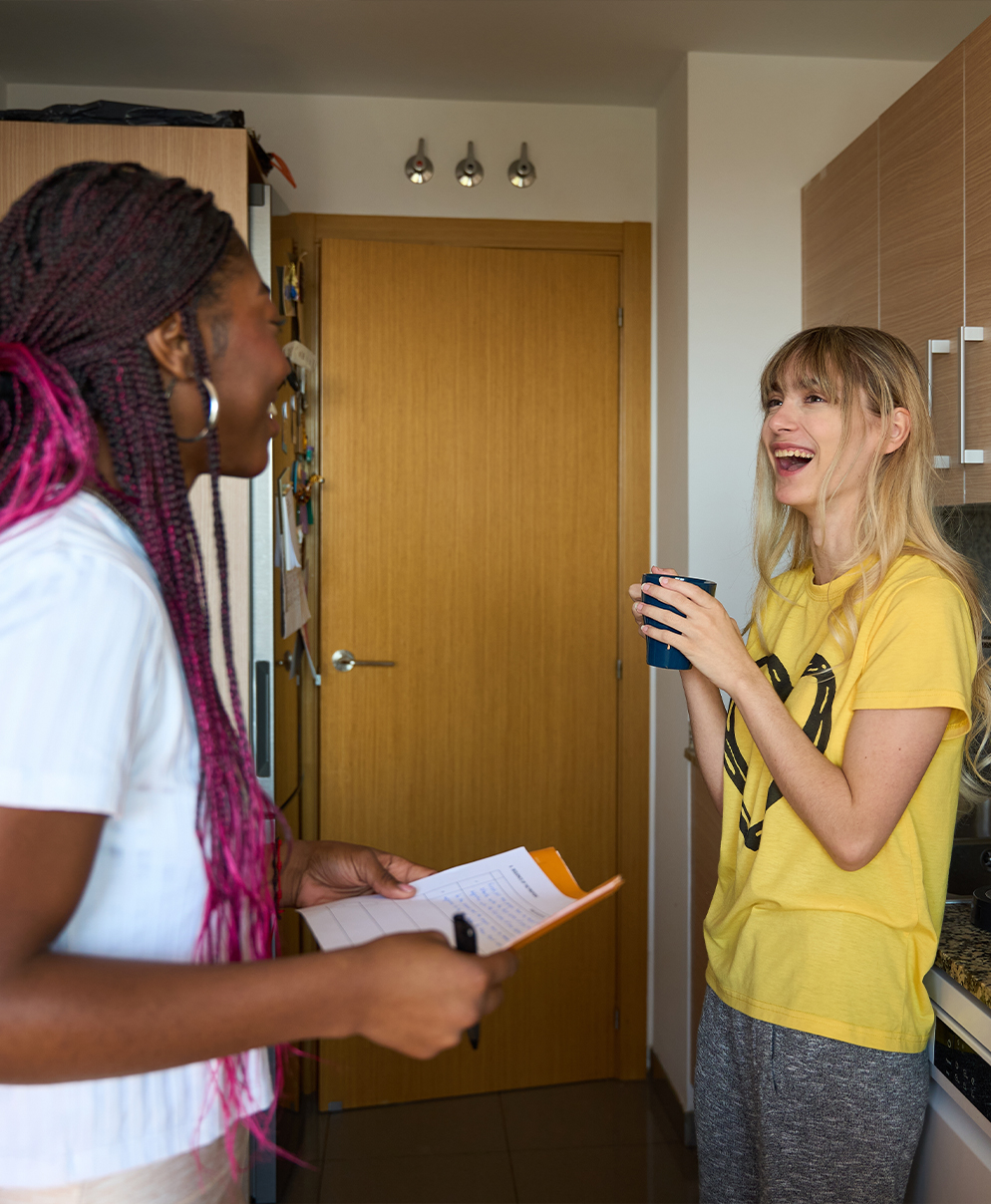
At Tao, we see transition not as a handover, but as a journey.
We work with individuals to build independence step by step, supporting the development of life skills, confidence and control in a way that feels realistic and sustainable.
Our approach goes beyond traditional domiciliary care. It’s practical, flexible and led by the individual. Whether someone is taking their first steps towards independence or building on existing skills, we focus on making progress real.
Because independence isn’t something you give. bIt’s something you build. And when it’s done right, it doesn’t just change where someone lives. It changes what’s possible.